Stainless Steel Manual Citrus Press: Fast, Clean Juice
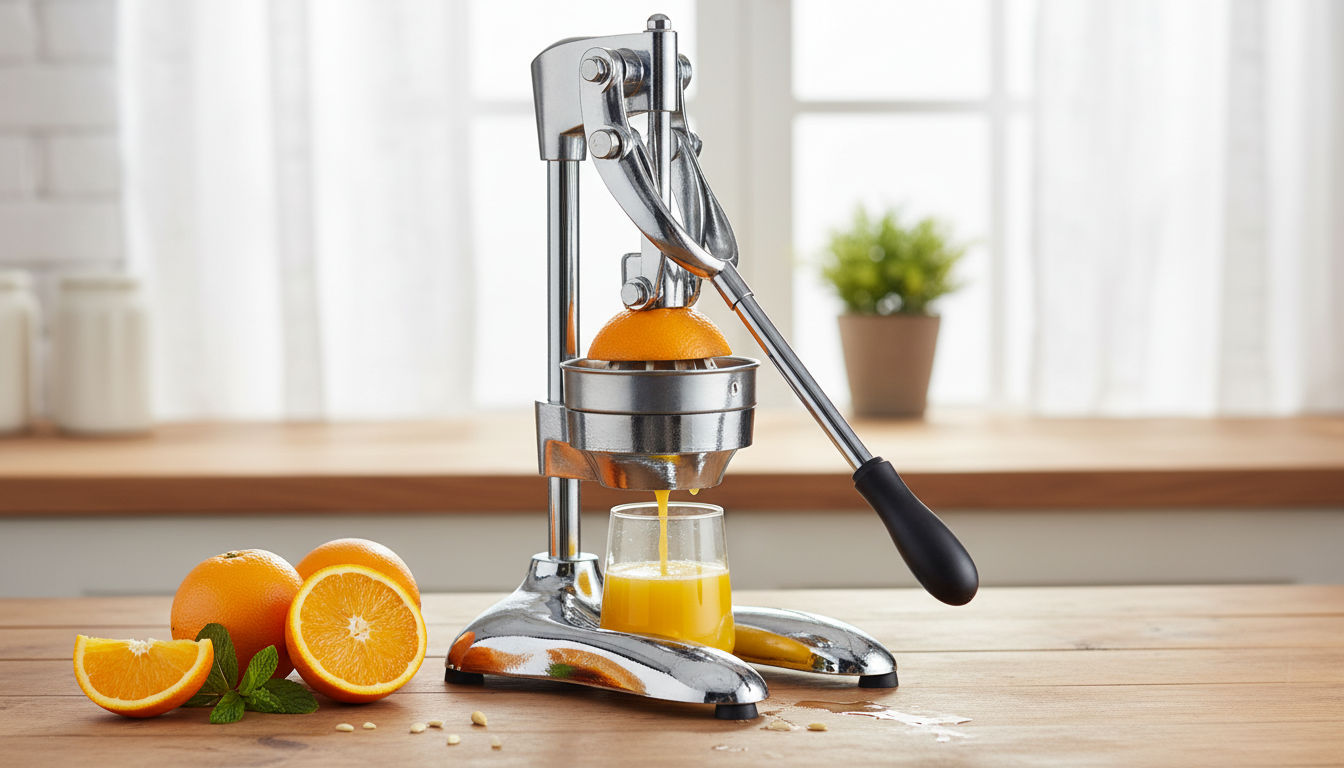
Manual Citrus Juicer Press – Heavy-Duty Stainless Steel Hand Fruit Squeezer
Fresh citrus juice comes out best when the peel oils stay controlled and the pulp is strained consistently. A heavy-duty hand press makes that easy: cut, press, pour—without motors, noise, or extra parts. This guide covers how a stainless steel manual citrus juicer press works, what it’s best for, and how to get clean, bright juice from lemons, limes, oranges, and more.
What a hand citrus press does differently
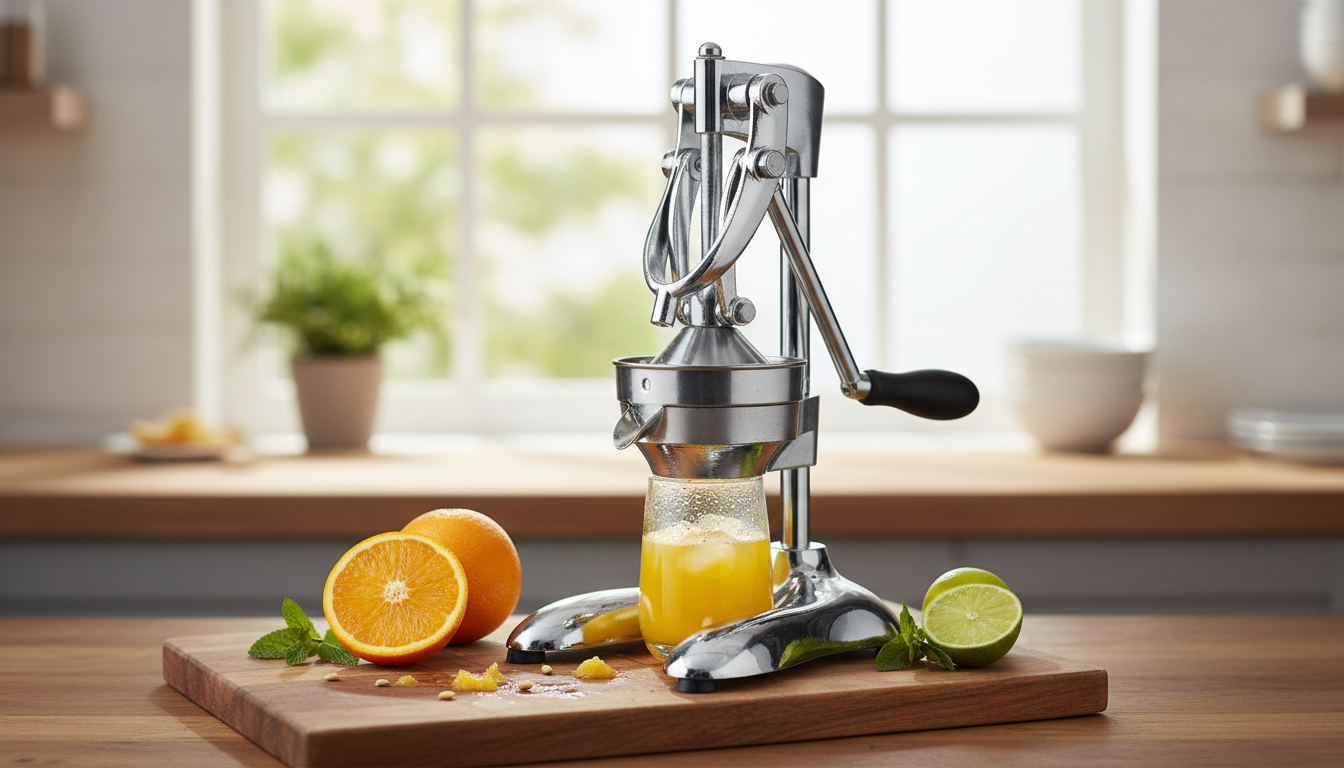
A manual citrus press is built around leverage. Instead of twisting the fruit against a reamer and relying on grip strength, you place a cut half in the bowl and let the handles do the work. That small change affects both the experience and the results.
- Uses leverage to extract juice quickly with less hand fatigue than twisting reamers.
- Helps separate juice from seeds and excess pulp as it presses through the strainer area.
- Reduces splatter compared with open reaming when used over a cup or bowl.
- Works well for small batches: cocktails, dressings, marinades, tea, and baking.
For everyday cooking, the biggest win is consistency: the same motion, the same angle, and a predictable flow of juice into your measuring cup or glass.
Stainless steel build and why it matters
Citrus is highly acidic, and that can be tough on finishes and low-grade metals over time. Stainless steel is a practical choice for a tool that’s going to see frequent contact with lemon and lime juice.
- Stainless steel resists rust, pitting, and citrus acidity better than many painted or low-grade alloys.
- A heavier press tends to feel more stable and keeps pressure even across the fruit half.
- Smooth metal surfaces rinse clean easily, helping reduce lingering citrus oils and odors.
- A solid hinge and well-aligned bowl improve pressing efficiency and reduce wobble over time.
That stability matters when you’re pressing quickly during meal prep or building multiple drinks—less shifting means better control and less mess.
Best uses in the kitchen and bar
Manual presses shine when you need fresh juice on demand, not a full pitcher. They’re also easy to store, which keeps them within reach for “just a splash” moments.
- Quick lemon juice for fish, roasted vegetables, soups, and pan sauces.
- Lime juice for guacamole, tacos, ceviche-style dishes, and sparkling water.
- Orange juice for small servings, smoothies, and baking (zest + fresh juice pairing).
- Grapefruit or larger citrus can work if the press bowl accommodates the size; cutting into smaller portions can help.
Nutritionally, citrus is also a popular way to add vitamin C to meals and drinks; for a deeper overview, see Harvard T.H. Chan School of Public Health’s resource on vitamin C.
How to get the most juice with less bitterness
Bitterness typically comes from over-extracting compounds from the peel and pith. A few small technique tweaks help you get a higher yield while keeping flavor clean and bright.
- Warm the fruit slightly (room temperature) and roll it on the counter before cutting to loosen segments.
- Cut citrus crosswise (equator cut) so more membranes face the press for better flow.
- Place the fruit cut-side down so juice runs through the holes while the peel is compressed upward.
- Press firmly and steadily; avoid excessive crushing that can squeeze bitter compounds from the peel and pith.
- If seeds slip through, pour through a small mesh strainer for a cleaner finish.
Quick pressing guide by citrus type
| Fruit | Prep | Pressing tip | Typical use |
|---|---|---|---|
| Lemon | Roll 10–15 seconds; halve crosswise | Cut-side down; one steady press | Dressings, marinades, baking |
| Lime | Room temp; halve crosswise | Press slowly to limit splatter | Cocktails, guacamole |
| Orange | Cut crosswise; consider quartering large oranges | Two presses may be better than over-crushing | Small juice servings, smoothies |
| Grapefruit | Quarter if too large for the bowl | Press smaller wedges for best yield | Brunch drinks, citrus syrups |
Cleaning and care for long-lasting performance
Citrus juice dries sticky, and tiny bits of pulp like to settle near hinges. A quick routine right after pressing keeps the tool working smoothly and tasting neutral from use to use.
For broader best practices on cleaning kitchen tools and surfaces, the FDA’s guidance on cleaning and sanitizing is a helpful reference.
Common issues and quick fixes
If you want to compare juice yield and nutrients across citrus varieties, USDA FoodData Central provides detailed nutrition data for raw fruit and juices.
Product spotlight: Manual Citrus Juicer Press – Heavy-Duty Stainless Steel Hand Fruit Squeezer
If fresh lemon and lime juice is part of your daily routine—morning water, quick vinaigrettes, weeknight marinades—a sturdy press can save time and keep results consistent. The Manual Citrus Juicer Press – Heavy-Duty Stainless Steel Hand Fruit Squeezer is designed for fast hand-press juicing with durable stainless steel construction, making it a practical upgrade from lightweight plastic squeezers for frequent use and straightforward cleanup.
More in-store picks
- Women’s Color Block V-Neck Slim Fit Yoga Crop Top
- Pet Deshedding Brush for Cats & Dogs – Removes Loose Hair & Tangles
- Large-Capacity Multi-Function Diaper Backpack for Everyday Parenting
FAQ
Do manual citrus presses work for oranges and grapefruit?
Oranges usually press well in a hand juicer, especially when cut crosswise. Grapefruit depends on the bowl size; if it’s too large, quarter it and press smaller wedges for better control and yield.
How do you keep a citrus press from making juice taste bitter?
Use room-temperature fruit, cut it crosswise, press cut-side down, and apply steady pressure without over-crushing. Avoid aggressively squeezing the peel and pith, and strain the juice if a few seeds or extra pulp get through.
Is stainless steel safe for citrus and easy to clean?
Yes—stainless steel is well-suited to acidic citrus juice and typically resists corrosion with normal use. Rinse promptly, wash with mild soap, and dry thoroughly, paying extra attention to the hinge area where pulp can collect.









Leave a comment