160g Ultralight Baitcasting Reel: Finesse Casting Control
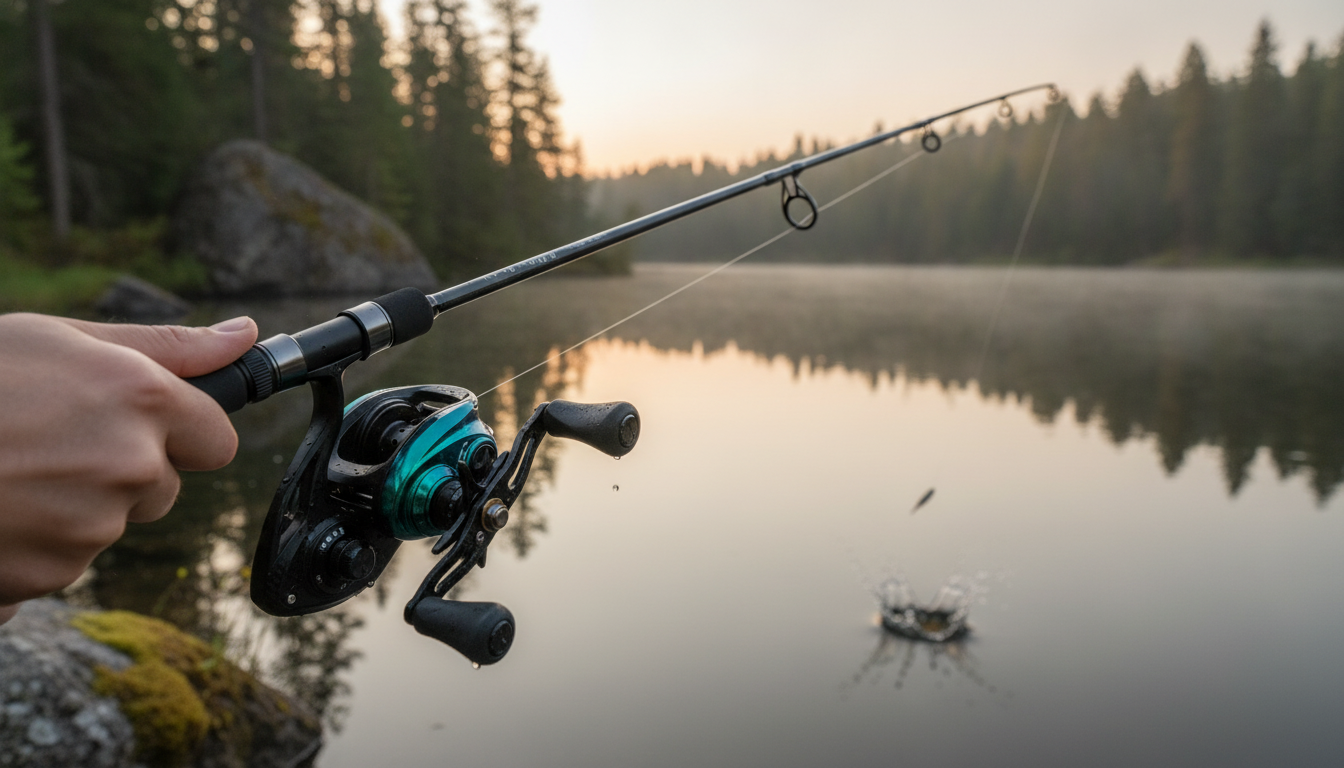
Ultralight Baitcasting Reel 160g: Lightweight Control for Finesse Presentations
An ultralight baitcasting reel around 160g is built for anglers who want tight line control, compact ergonomics, and efficient casting with smaller lures. The payoff is a combo that feels “quick” in hand—easy to accelerate on short casts, steady when you’re making constant wrist-driven pitches, and less tiring over a full session. The details that matter most come down to balance, spool behavior, drag smoothness, and a brake system you can tune to your lure and line.
What an Ultralight Baitcasting Reel Does Differently
Compared with a traditional baitcaster, a 160g-class reel puts comfort and control first. Reduced overall mass helps the rod/reel combo feel less tip-heavy, which can translate into better accuracy when your casting stroke is compact and fast. A smaller, palm-friendly frame also improves thumb placement and makes it easier to “ride” the spool during the lure’s peak and descent.
Because finesse lures carry less momentum, spool control becomes the headline feature. Lightweight designs typically lean on a predictable braking profile and a spool that starts smoothly without feeling jumpy. That’s especially useful in creeks, ponds, pressured water, or tight cover where you’re prioritizing placement over distance.
Key Specs That Matter for a 160g Reel
Weight and balance (the 160g class)
Weight alone doesn’t catch fish, but it changes how a combo behaves after 200 casts. A lighter reel can make a medium-light or BFS-style rod feel more neutral in hand, which helps when you’re repeatedly pitching to dock posts, laydowns, or bank seams.
Spool behavior and start-up inertia
When you downsize lures, the spool must start cleanly and stay stable as the lure slows in mid-flight. Smooth start-up reduces the “burst” that can cause an early overrun, while consistent deceleration keeps the spool from outrunning a light bait near the end of the cast.
Brake system predictability
For light presentations, a brake curve that feels consistent is more valuable than a system that’s simply strong. Predictable braking lets you fine-tune in small steps instead of bouncing between “too loose” and “too tight,” especially when your lure choice changes from a compact jig to a small crankbait.
Gear ratio and retrieve feel
A versatile gear ratio keeps the reel useful across small jigs, weightless plastics, and compact hard baits. The goal is a retrieve that doesn’t feel sluggish on moving baits but also doesn’t feel overly jumpy when you’re creeping a finesse rig.
Drag consistency for light line
Light line and small hooks demand a drag that starts smoothly. A sticky drag can pop lighter leaders or open small-wire hooks when a fish surges boatside or turns in current.
Line capacity that matches the mission
How This Reel Fits Into a Finesse Setup
Rod pairing
Line pairing
Terminal tackle that preserves momentum
Where a 160g baitcaster shines
Brake and Tension Settings for Light Lures
Quick Comparison: Ultralight vs Standard Baitcasting Reels
| Feature | Ultralight (160g class) | Standard Baitcaster |
|---|---|---|
| Best lure range | Light to medium-light presentations; accuracy-focused | Medium to heavy presentations; power-focused |
| Fatigue over long sessions | Lower due to reduced mass | Higher, especially with repetitive casting |
| Tuning sensitivity | More sensitive to line type and brake settings | More forgiving across lure weights |
| Typical applications | Creeks, finesse bass, panfish-capable setups, tight targets | Power fishing, larger baits, heavier cover |
| Line approach | Thin braid/leader or light mono/fluoro | Heavier mono/fluoro or thicker braid |
Care, Maintenance, and Longevity Tips
For local rules and seasons, check your state guidance (for example, the Florida Fish and Wildlife Conservation Commission freshwater fishing resources). For responsible line disposal and reducing wildlife hazards, NOAA’s Marine Debris Program is a helpful reference.
Ultralight Baitcasting Reel 160g: Product Snapshot
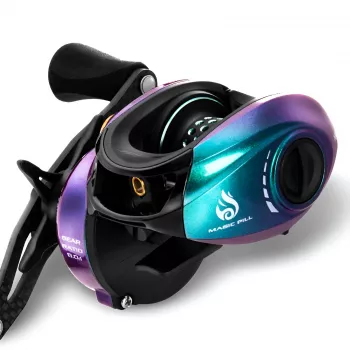
The Ultralight Baitcasting Reel 160g is built for comfortable, control-forward casting sessions where finesse presentations matter. It’s a practical match for thin-line approaches and compact lures, especially once brakes and tension are tuned to your usual bait weight and casting style. For anglers who prefer baitcasting ergonomics but don’t want to switch to spinning gear for every finesse job, this style of reel is a strong middle ground.
More In-Stock Picks
- Large-Capacity Multi-Function Diaper Backpack for Everyday Parenting (works as a roomy day-pack for carrying essentials on long bank-walking sessions)
- Women’s Color Block V-Neck Slim Fit Yoga Crop Top (a lightweight option for warm-weather layering)
- Pet Deshedding Brush for Cats & Dogs – Removes Loose Hair & Tangles (a handy home item for keeping gear areas cleaner between trips)
Who This Reel Is Best For
FAQ
Is a 160g baitcasting reel actually easier to fish all day?
Often, yes—less reel weight can improve rod/reel balance and reduce wrist fatigue when you’re making constant short casts. The biggest difference shows up on high-cast-count days like bank fishing or working a stretch of docks, though overall comfort still depends on rod weight and grip shape.
What line works best for an ultralight baitcasting reel?
Thin braid to a fluorocarbon or mono leader is a versatile starting point because it casts easily and stays sensitive. If you switch to thicker line or stiffer fluorocarbon, expect to raise braking slightly and re-check tension since spool behavior changes with diameter and material.
How can backlashes be reduced when casting small lures?
Set spool tension just tight enough to remove side-to-side play, start with higher braking, and then back the brake down in small steps as control improves. Feather the spool with your thumb near the lure’s peak and right before it lands, and increase braking when casting into wind or throwing high-drag baits.








Leave a comment