Brushless Hair Dryers: Are They Worth It?
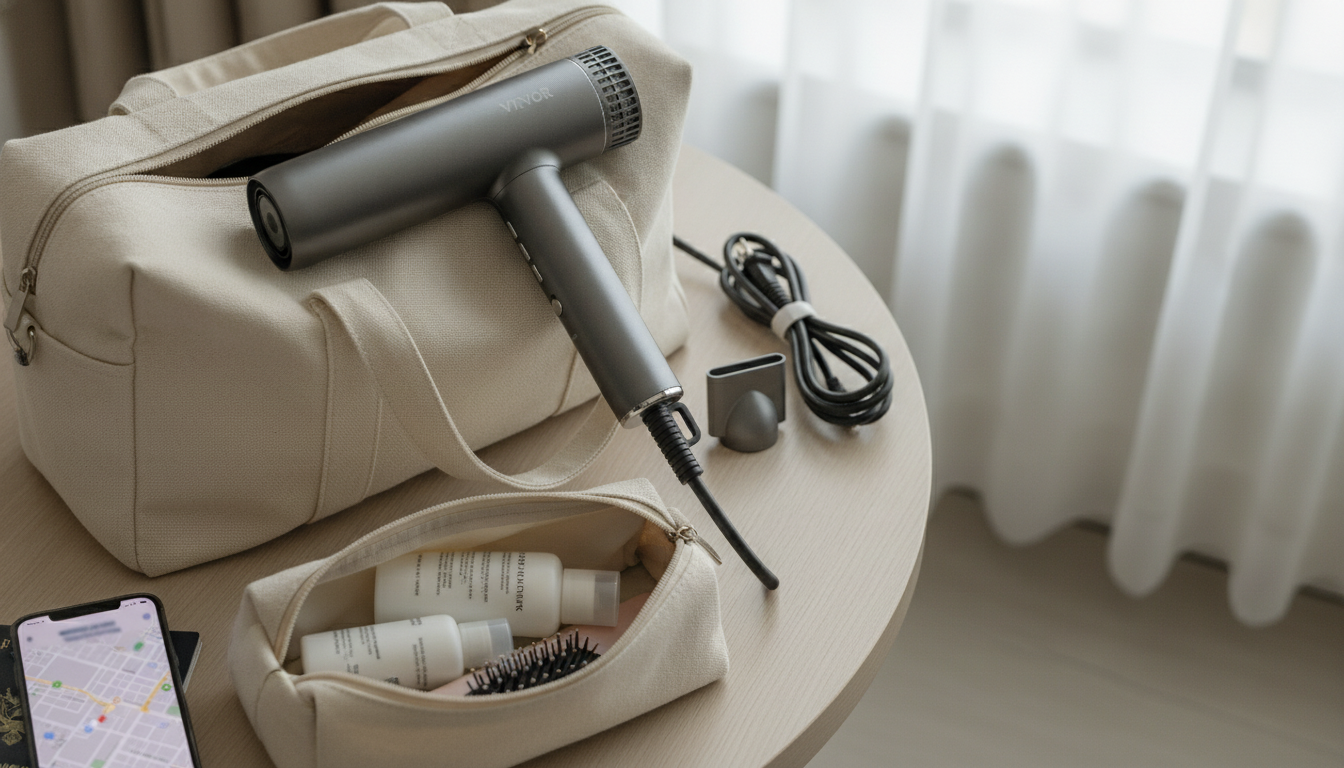
Are brushless hair dryers better?
Brushless hair dryers can be better for many shoppers because they’re designed for efficiency, longevity, and steadier performance. A brushless motor uses electronic controls instead of physical brushes that wear down over time, which often means smoother airflow, less maintenance, and a longer service life compared with many traditional brushed models.
In day-to-day use, the biggest “better” factor is consistency. Brushless motors typically maintain speed and power more evenly, which helps a dryer hold its temperature and airflow closer to what you set. That can translate to faster drying without needing to crank the heat as high—especially helpful for fine, color-treated, or heat-sensitive hair.
Key advantages of brushless hair dryers
Longer motor life: With fewer wear parts, brushless motors tend to last longer and stay reliable with regular use.
Efficient airflow: Many brushless models deliver strong, stable airflow, helping reduce total dry time.
Potentially less heat exposure: Faster drying can mean less time under heat, which may reduce dryness and frizz when paired with good technique and a heat protectant.
Quieter operation (often): Sound varies by model, but brushless designs are frequently engineered to be less harsh and whiny than some brushed dryers.
When “better” depends on your needs
A brushless dryer isn’t automatically the best choice if your budget is tight or you only blow-dry occasionally. Many brushless units cost more up front, and results still depend on attachments, heat controls, weight, and how well the dryer matches your hair type. For example, a quality brushed dryer with multiple heat/speed settings and a good concentrator nozzle can still perform extremely well for many routines.
For a deeper breakdown of brushless vs. traditional motors, performance tradeoffs, and what features matter most, visit the full guide: https://winningcatchmarket.shop/are-brushless-hair-dryers-better/.
FAQ
Do brushless hair dryers run quieter than brushed models?
Often they do, but it varies by brand and design. Look at decibel ratings and reviews, since fan shape, housing, and airflow path affect noise as much as the motor type.









Leave a comment