DJI Drone Obstacle Avoidance: What It Has and Limits
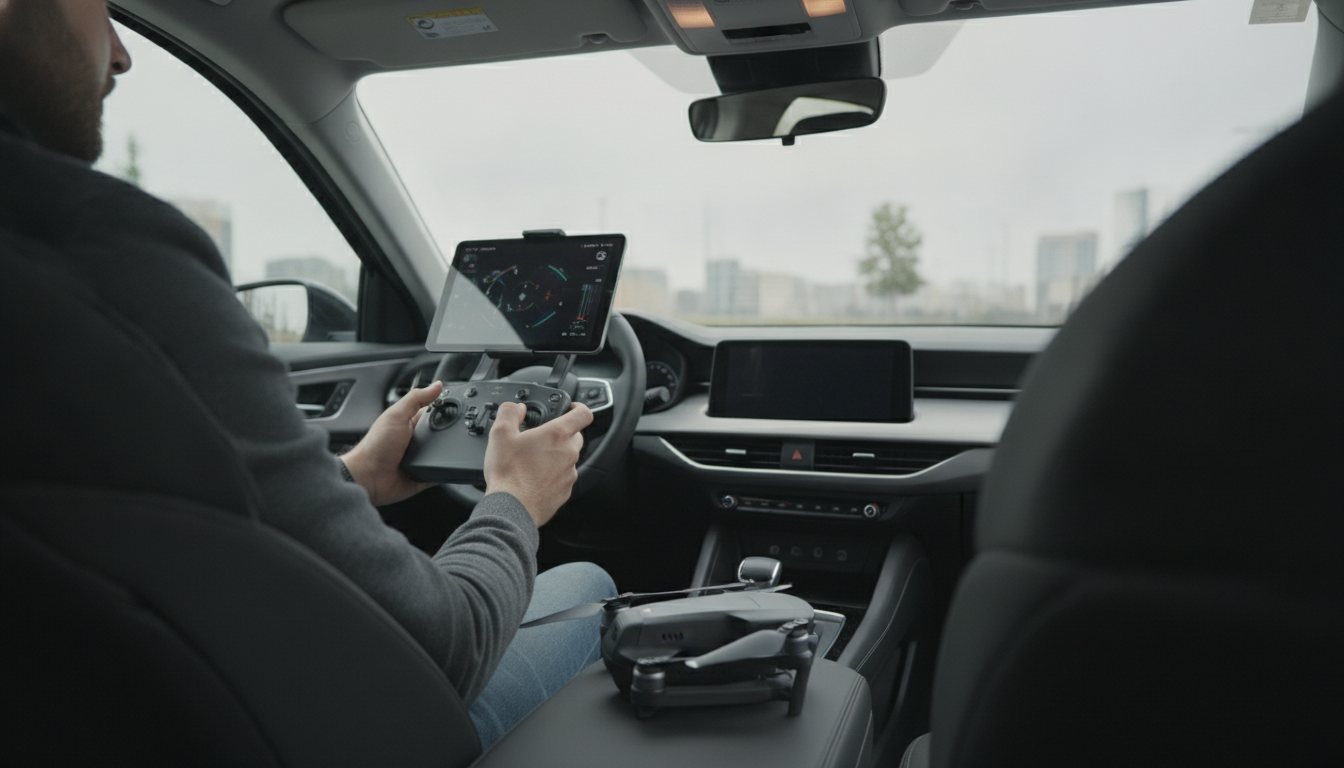
Does the DJI drone have obstacle avoidance?
Many DJI drones do include obstacle avoidance, but it depends on the specific model and how it’s configured. DJI’s obstacle avoidance generally relies on a network of forward, backward, downward, and sometimes upward or side-facing vision sensors (and on certain models, additional sensing technologies) to detect obstacles and help reduce the chance of collisions during flight.
How DJI obstacle avoidance typically works
When enabled, the drone uses its sensors to “see” objects in its path and either brake, reroute, or limit movement toward the obstacle. Some DJI flight modes and intelligent features lean heavily on these sensors, especially during automated shots and subject tracking. In normal manual flight, the system may slow the drone or stop it before impact—depending on speed, lighting, texture of the obstacle, and the drone’s sensing coverage.
Which DJI drones have it (and why it varies)
DJI’s higher-end consumer drones and many newer releases commonly offer multi-directional obstacle sensing, while entry-level or older models may provide only downward sensors (primarily for stable hovering and landing) or limited front sensing. Even within a single product line, there can be differences between standard, “mini,” and “pro” versions.
Important limitations to know
Obstacle avoidance isn’t foolproof. Thin branches, wires, low-contrast surfaces, reflective/glass walls, fast approaches, and low-light conditions can reduce detection reliability. Sideways flight can also be riskier if the drone lacks side sensors or if side sensing is disabled in a given mode.
For model-by-model details and what to expect from DJI’s sensing features, visit the full guide here: https://winningcatchmarket.shop/does-the-dji-drone-have-obstacle-avoidance/.
For DJI Drone Obstacle Avoidance: What It Has and Limits, the best answer depends on fit, material, care instructions, and how the product will be used day to day.
FAQ
Does obstacle avoidance work at night?
It depends on the drone and the available light. Vision-based sensors typically need sufficient lighting and surface detail, so performance often drops in dim conditions; always fly slower and leave extra clearance at night.








Leave a comment