8-Drawer Fabric Storage Cabinet: Steel-Frame Organizer
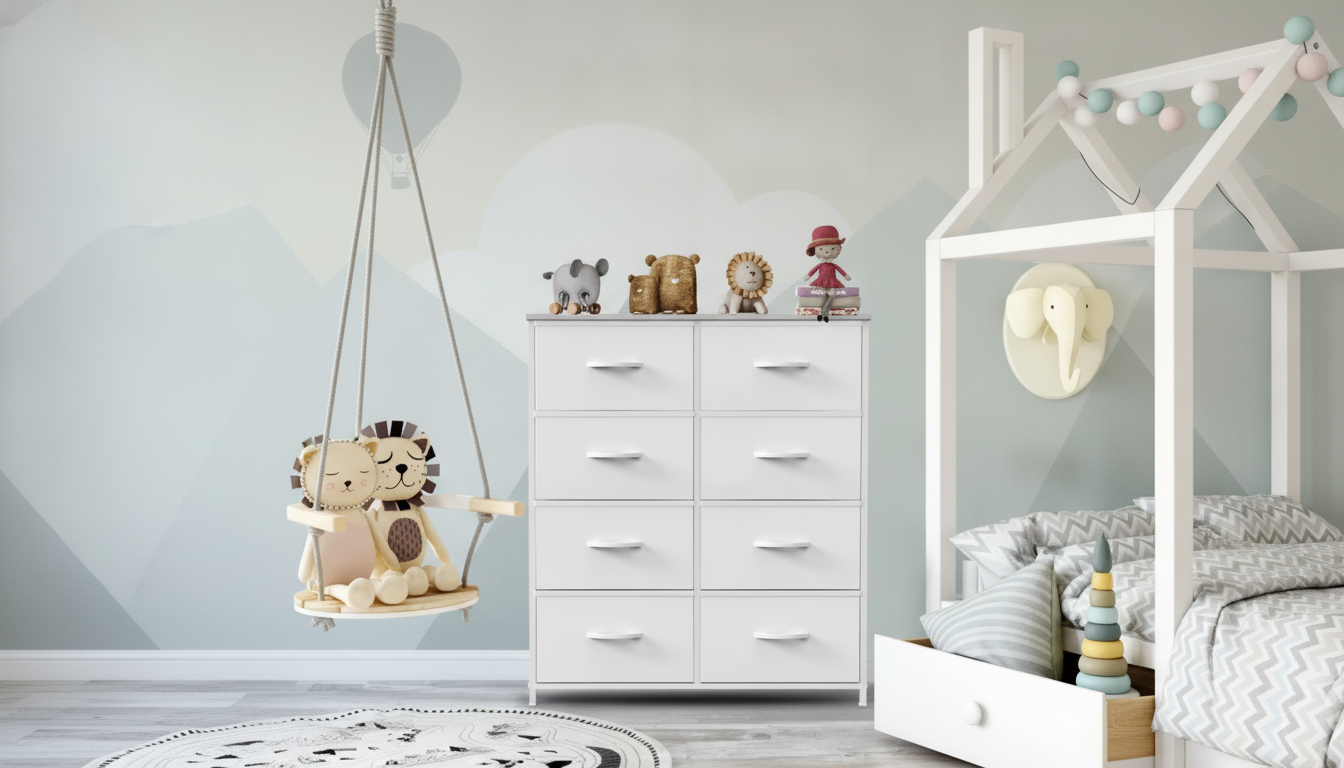
8-Drawer Fabric Storage Cabinet with Steel Frame: Everyday Storage for Small Spaces
An 8-drawer fabric storage cabinet with a steel frame is a practical way to add order without the bulk of traditional furniture. The combination of a rigid frame and soft drawers works well for bedrooms, closets, entryways, dorm rooms, and craft corners—anywhere that benefits from quick, labeled-style sorting. This guide covers what to expect from this type of organizer, how to set it up, where it works best, what it can store, and the simple habits that keep it looking tidy and lasting longer.
What This Storage Cabinet Is Designed to Do
- Creates dedicated zones for frequently used items so clutter doesn’t spread across surfaces.
- Offers multiple drawers for category-based sorting (tops, socks, accessories, stationery, craft supplies).
- Uses a steel frame to help the unit stay upright and stable compared with all-fabric alternatives.
- Keeps items dust-reduced and visually contained while still being lightweight enough to move as needs change.
If you’re looking for a compact organizer that behaves like a mini dresser—but is easier to reposition—consider the 8-Drawer Fabric Storage Cabinet with Steel Frame for everyday storage in tight footprints.
Where It Fits Best at Home
- Closets: place under hanging clothes to use vertical space; reserve top surface for bins or a catchall tray.
- Bedroom: use as a secondary dresser for socks, sleepwear, workout gear, and accessories.
- Entryway: sort hats, gloves, leashes, and seasonal extras; keep one drawer for “grab-and-go” items.
- Laundry area: dedicate drawers for cleaning cloths, delicate-wash bags, dryer sheets, and stain removers.
- Kids’ rooms: separate drawers by child or by category (arts, toys, hair accessories, pajamas).
For households with babies or toddlers, pairing drawer storage with an on-the-go organizer can reduce last-minute searching. A dedicated “out-the-door” drawer works well alongside a ready-packed Large-Capacity Multi-Function Diaper Backpack for Everyday Parenting (wipes, changing pad, backup outfit), so essentials stay grouped whether you’re home or heading out.
Drawer-by-Drawer Setup for a Low-Maintenance Routine
- Start with a simple layout: “daily,” “weekly,” and “occasional” categories to reduce rummaging.
- Assign the easiest-to-reach drawers to the most-used items; store backups and seasonal items lower or higher.
- Use soft organizers or small boxes inside drawers for tiny items (batteries, hair ties, chargers).
- Label with removable tags or tape so categories can change without redoing the whole system.
- Keep a “return bin” nearby for one week; then sort it into drawers as a quick reset.
Suggested Drawer Plan by Room
| Room | Top Drawers (quick access) | Middle Drawers (daily/weekly) | Bottom Drawers (seasonal/backup) |
|---|---|---|---|
| Bedroom | Accessories, jewelry, chargers | Socks, underwear, tees | Seasonal items, spare linens |
| Closet | Belts, ties, small bags | Gym wear, scarves, caps | Swimwear, winter gear |
| Entryway | Keys/flashlights, dog items | Gloves, hats, masks | Spare umbrellas, seasonal accessories |
| Craft/Office | Pens, tools, tape | Paper, supplies by project | Refills, rarely used tools |
Steel Frame + Fabric Drawers: What to Expect
- Steel frame provides structure for stacking-like organization without committing to a heavy dresser.
- Fabric drawers are flexible and lightweight; they reduce noise and are gentler on delicate items.
- Best for folded items and accessories; less ideal for very heavy tools or sharp-edged objects without protective bins.
- For high-traffic areas, keep heavier items in lower drawers to improve stability.
Fabric drawers shine when you want quick visibility and easy “drop-in” storage. They’re especially useful for soft goods (tees, onesies, scarves) and small categories (mail, cords, craft notions) that otherwise spill onto countertops.
Assembly and Placement Tips
- Assemble on a flat surface and fully tighten hardware after the frame is aligned.
- Place on an even floor; if used on carpet, check that the base sits level to prevent wobble.
- Avoid overloading a single drawer; distribute weight across multiple drawers for smoother sliding.
- Keep away from direct heat sources to protect fabric and maintain long-term shape.
- If used around children, consider positioning it against a wall and minimizing top-surface clutter.
For added safety guidance in family spaces, review the U.S. Consumer Product Safety Commission’s tip-over prevention recommendations: CPSC Furniture Tip-Over Prevention.
Care and Long-Term Use
When cleaning high-touch household surfaces or managing routine hygiene, practical guidance can be found here: CDC: Cleaning and Disinfecting Your Facility. For a drawer unit, a gentle approach (spot-clean + fully air-dry) helps fabric keep its shape and prevents lingering odor.
Product Snapshot: 8-Drawer Fabric Storage Cabinet with Steel Frame
For pet households, one drawer can become a dedicated grooming zone—wipes, nail clippers, lint rollers, and a tool like the Pet Deshedding Brush for Cats & Dogs – Removes Loose Hair & Tangles—so shedding supplies don’t migrate across bathrooms, laundry rooms, and entryway shelves.
FAQ
What types of items store best in fabric drawers?
Fabric drawers work best for folded clothing, accessories, baby items, linens, craft supplies, and light household goods. For tiny items, use small boxes or soft organizers inside the drawer, and avoid storing sharp or very heavy objects without a protective bin.
How can the cabinet feel more stable on carpet or uneven floors?
Assemble the unit on a level surface, align the frame, and re-tighten hardware once everything is squared up. Placing heavier items in the lower drawers and positioning the cabinet against a wall can also help reduce wobble.
How should fabric drawers be cleaned if something spills?
Remove the contents, spot-clean with mild soap and water, and avoid saturating the fabric. Let the drawer air-dry completely before reloading, and consider liners or small bins for items that might leak in the future.









Leave a comment