Ultralight 3-Bearing Titanium Flat Pedals for Grip
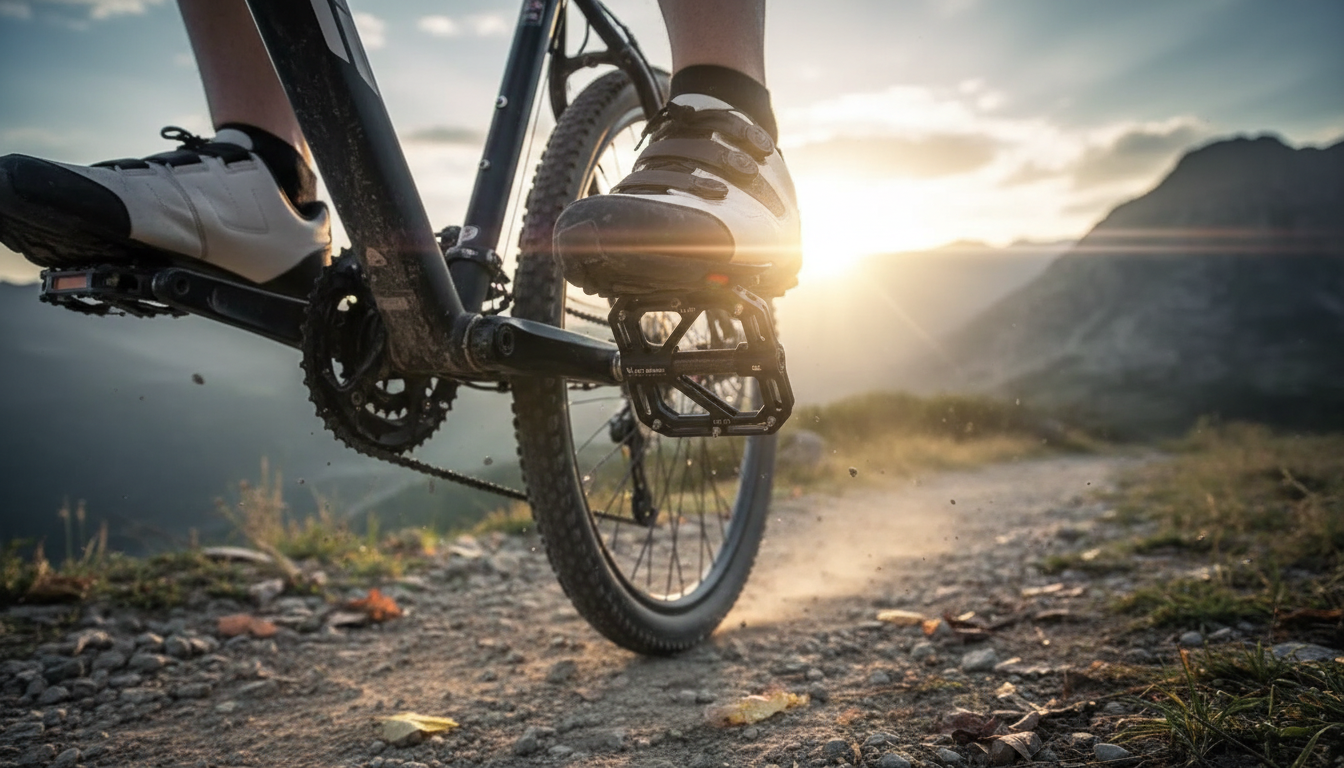
Ultralight Titanium Alloy 3-Bearing Anti-Slip Bike Pedals
A lightweight pedal can make a bike feel snappier, but real ride confidence comes from stable footing, smooth rotation, and durability in bad weather. These ultralight titanium-alloy platform pedals use a 3-bearing layout and anti-slip pins to deliver secure grip and efficient spin for commuting, gravel rides, and trail sessions. For more guidance, see EMUKOEP RISK Bike Pedal Extender – Titanium Alloy Crank ….
What Makes These Pedals Different
Flat pedals look simple, but the details determine whether they feel planted and predictable on everything from potholes to punchy climbs. This platform set leans into three priorities: low weight, consistent spin, and dependable traction. For further reading, see TRT | Events | Main.
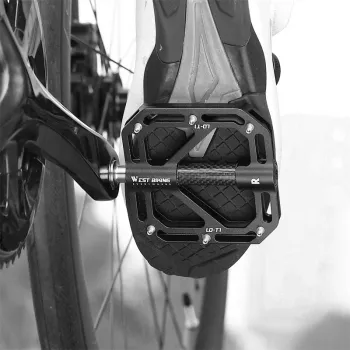
- Ultralight titanium-alloy body: Designed to reduce that “draggy” feel some heavier platforms can add, while still offering a supportive footprint under the shoe.
- 3-bearing layout: Built to keep the spindle turning smoothly under load and help resist side-to-side play that can develop over time.
- Anti-slip traction pins: Intended to improve shoe-to-pedal hold in rain, dust, or when accelerating hard from a stop.
- Everyday-friendly platform design: Works with normal shoes and flat-pedal MTB shoes—no cleats, no special tension settings.
Fit, Compatibility, and Who They Suit
These pedals are a strong fit for riders who like the flexibility of flats—quick foot adjustments in traffic, easy dabs on technical terrain, and simple walkability off the bike. They’re especially appealing if a bike shipped with basic plastic pedals or small, low-grip cages that feel sketchy in wet conditions.
- Best for: commuters, fitness riders, bikepackers, and trail riders who prefer flats and frequent repositioning.
- Bike compatibility: Works across most bike types that use standard pedal threads; confirm your crank’s thread specification before purchase.
- Upgrade value: Noticeable improvement in grip and stability when replacing worn pins, slick composite bodies, or undersized stock platforms.
- Mixed-surface advantages: Helpful on gravel and urban routes where footing changes often and quick adjustments matter.
Quick compatibility checklist
| Check | What to look for | Why it matters |
|---|---|---|
| Pedal thread | Typical adult bikes use 9/16″; some kids/older bikes use 1/2″ | Wrong thread size won’t install and can damage cranks |
| Riding style | Commuting, gravel, trail, urban | Platform grip and stability matter more as terrain gets rougher |
| Shoes | Flat-soled shoes or MTB flat shoes | More sole contact improves traction and comfort |
| Maintenance preference | Occasional cleaning vs. frequent wet rides | Bearings and seals last longer with basic care |
Ride Feel: Grip, Stability, and Efficiency
The most immediate change most riders notice when upgrading pedals is traction. Anti-slip pins are meant to bite into rubber soles so the foot stays put when standing to climb, sprinting out of corners, or braking hard on choppy surfaces. That consistent hold can also help confidence on rainy commutes where painted lines and metal utility covers tend to get slick.
Platform size matters, too. A stable platform spreads pressure across more of the shoe, which can reduce foot fatigue compared with small cage pedals that concentrate force in a narrow strip. For longer rides—especially on gravel—better pressure distribution can feel like a comfort upgrade even before speed is considered.
Efficiency on flats is partly about maintaining a steady cadence without micro-slips. Smooth bearing rotation can reduce the “gritty” sensation that shows up in cheaper bushing-based pedals, helping the pedal stroke feel more consistent. On technical trails, reliable grip also supports quick weight shifts without unexpected foot slips that can throw off balance.
3-Bearing Construction: What to Expect Over Time
A 3-bearing configuration is designed to manage the mix of loads pedals see: constant rotation under pedaling force plus impacts from curbs, rocks, and landings. Multiple bearings can help support both radial forces (straight down through the pedal) and axial forces (side loads from leaning the bike or pushing laterally).
Setup Tips: Installation and Safety Checks
For thread direction, tool choice, and best-practice guidance, authoritative references include Park Tool’s pedal installation and removal guide and compatibility notes from Sheldon Brown’s pedal reference. If you’re looking for general service-document conventions across components, Shimano’s SI documentation portal is also a helpful resource.
When These Pedals Are the Right Upgrade
Product Details and Where to Buy
For a traction-focused flat pedal upgrade that still prioritizes smooth rotation and a lighter feel, the Ultralight Titanium Alloy 3-Bearing Anti-Slip Bike Pedals are priced at $44.67 USD and are currently in stock. For best results, pair them with flat MTB shoes or firm rubber-soled sneakers so the pins can engage the tread without excessive sole flex.
At-a-glance purchase info
| Item | Details |
|---|---|
| Name | Ultralight Titanium Alloy 3-Bearing Anti-Slip Bike Pedals |
| Price | 44.67 USD |
| Stock status | In stock |
| Product page | View product |
More In-Stock Finds
- Women’s Color Block V-Neck Slim Fit Yoga Crop Top
- Pet Deshedding Brush for Cats & Dogs – Removes Loose Hair & Tangles
- Large-Capacity Multi-Function Diaper Backpack for Everyday Parenting
FAQ
Do these pedals fit most bikes?
Most adult bikes use a 9/16″ pedal thread, while some kids’ bikes and a few older models use 1/2″. Check your crank’s thread size before ordering, and always start threading by hand to avoid cross-threading.
Are anti-slip pins safe for everyday shoes?
They’re generally safe, but the pins can mark or chew up softer shoe soles over time. Firmer rubber soles or purpose-built MTB flat shoes typically offer better grip and comfort while holding up longer.
How often should the bearings be maintained?
For dry commuting, occasional cleaning and a quick check for play is usually enough. After wet or muddy rides, inspect sooner—if you notice grinding, squeaks, or wobble, it’s time to clean and service before wear accelerates.







Leave a comment