Pet Baseball Jacket for Fall & Winter: Fit & Warmth
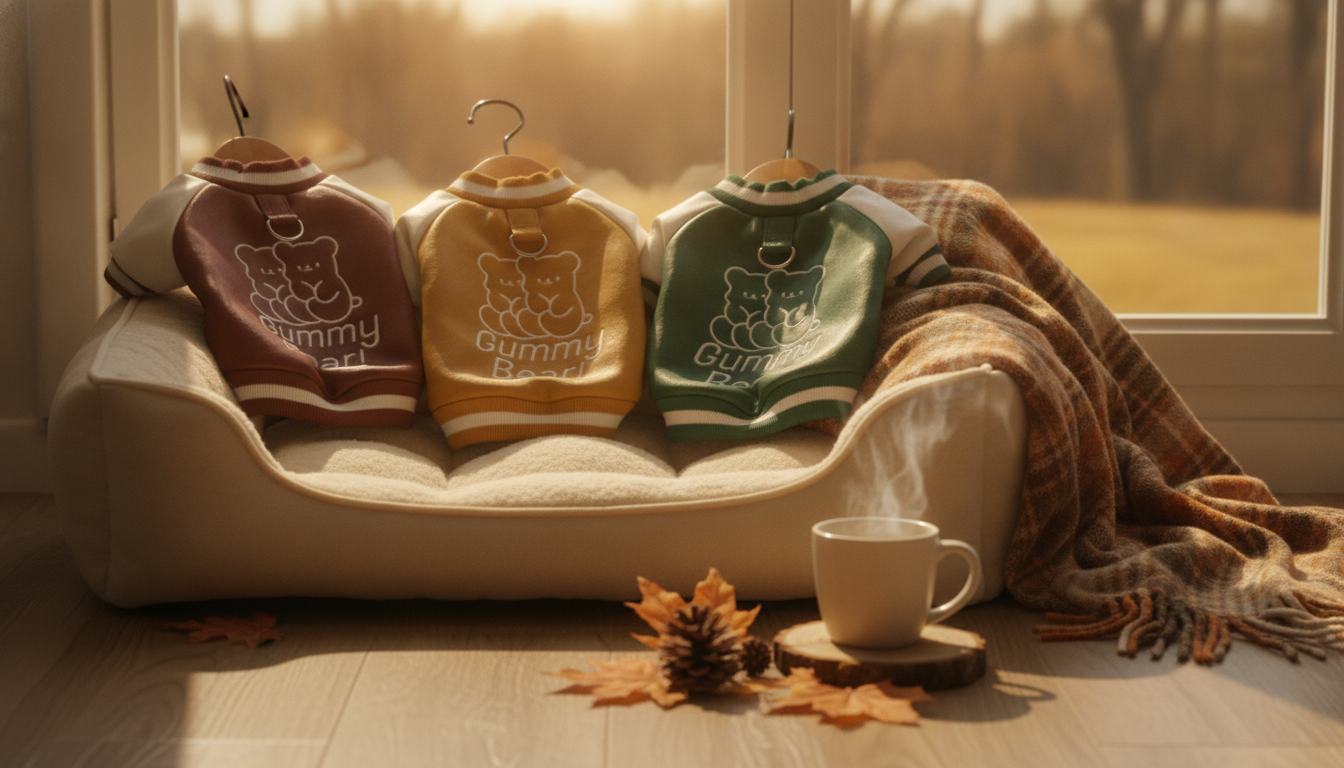
Autumn & Winter Sports-Style Pet Baseball Jacket: Warmth, Mobility, and Everyday Team Spirit
A sports-style pet baseball jacket adds a light layer for chilly walks while keeping movement easy for playtime. The right fit and fabric matter most—especially around the chest, shoulders, and belly—so pets stay comfortable, warm, and safe on outings.
What Makes a Pet Baseball Jacket a Practical Cold-Season Layer
When temperatures dip in fall and early winter, a jacket can be the difference between a brisk, enjoyable walk and a pet that’s shivering or eager to head back inside. A baseball-jacket cut is especially popular because it tends to feel familiar—like a simple, wearable layer rather than a full outfit.
- Light insulation helps take the edge off cool air during morning and evening walks.
- Sleeve and shoulder design should allow a full stride and easy sitting without pulling.
- More coverage than a harness-only setup can reduce wind exposure on the chest and back.
- Sports styling is a bonus, but comfort and fit should come first—especially for active pets.
For cold-weather safety reminders (including time outdoors and monitoring for discomfort), see guidance from the American Veterinary Medical Association (AVMA) and the ASPCA.
Fabric, Lining, and Warmth: What to Look For
Not all “warm” pet jackets feel warm to a pet. The best ones balance comfort against the skin, easy on/off, and enough draft resistance for the conditions you actually walk in.
- Soft, non-itch materials help prevent scratching, hot spots, and fur snagging.
- A smooth lining can reduce tugging on longer coats and makes dressing quicker.
- Tighter-weave outer layers help block wind on damp or breezy days; save heavier layers for true cold snaps.
- Avoid bulky padding that limits shoulder movement or causes overheating indoors.
Quick Comfort Checklist for Cold-Weather Pet Jackets
| Feature | Why it matters | What to check at home |
|---|---|---|
| Neck opening | Prevents rubbing and choking | Two fingers fit comfortably; no fur pinching |
| Chest room | Allows breathing and running | Pet can trot and sit without pulling at the front |
| Back length | Coverage without irritation | Ends before the tail base; doesn’t press when sitting |
| Armholes/sleeves | Reduces chafing and tripping | No tightness at shoulders; no fabric dragging |
| Belly area | Cleanliness and comfort | Allows bathroom breaks without soiling the fabric |
How to Measure for a Better Fit (Before Ordering)
Measuring first helps avoid the most common jacket problems: tightness through the chest, gapping at the neck, and awkward back lengths that bunch when a pet sits. Use a soft measuring tape, measure when your pet is standing naturally, and keep the tape snug but not tight.
- Chest girth: measure the widest part behind the front legs. This is usually the most important number.
- Neck circumference: measure where a collar sits naturally, not high up near the jaw.
- Back length: measure from the base of the neck to the base of the tail (do not include the tail).
- Between sizes: prioritize a comfortable chest fit; a tight chest can restrict breathing and movement.
If your pet has a broad chest (common with many small “barrel-chested” dogs) or thick winter coat growth, plan a little extra room for easy movement—then confirm with a quick indoor movement test once the jacket arrives.
Putting It On Safely: Steps That Reduce Stress
Even friendly pets can resist clothing if it feels rushed or awkward. A calm routine makes dressing smoother and reduces the chance of snagging fur or twisting a leg opening.
- Let your pet sniff the jacket first; reward calm behavior with a small treat.
- Slip the jacket on gently, guiding legs through openings without forcing joints.
- Check for twisting seams, bunched lining, or tightness around the armpits.
- Do a quick “movement test”: a short walk indoors, a sit, and a few steps up/down a threshold to ensure no rubbing.
Pay attention to subtle cues: repeated shoulder shakes, sudden scratching at the armpits, or a stiff gait can indicate the chest or armholes need more room.
Daily Wear Tips for Autumn and Winter Walks
A jacket can support comfort on colder days, but it works best paired with smart routines. Weather, wind chill, and a pet’s size and coat all influence what “warm enough” looks like.
For additional cold-weather dog safety tips (including paw care and exposure considerations), the American Kennel Club (AKC) is a helpful reference.
Care and Cleaning for Longer Jacket Life
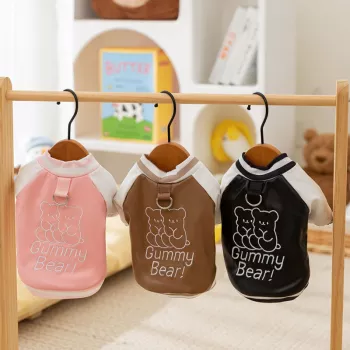
Featured Pick: Autumn & Winter Sports-Style Pet Baseball Jacket
If you want a seasonal layer that keeps walks comfortable without complicating your routine, the Autumn & Winter Sports-Style Pet Baseball Jacket is designed as a sporty outer layer that’s easy to dress and simple to wear. A straightforward jacket cut can be especially helpful for wiggly pets that don’t tolerate complex outfits.
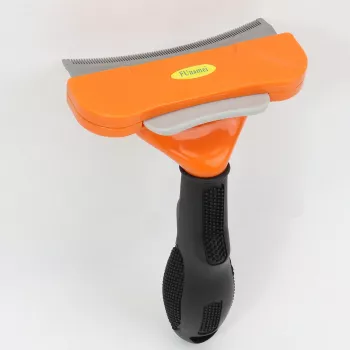
To keep the jacket interior cleaner between washes, consider adding a quick grooming step before outings with the Pet Deshedding Brush for Cats & Dogs – Removes Loose Hair & Tangles.
FAQ
Is a pet baseball jacket warm enough for winter walks?
It depends on the temperature, wind, and your pet’s size, coat type, age, and activity level. A light jacket can help in cool weather, but in extreme cold you may need shorter walks and added protection.
How should a pet jacket fit around the chest and shoulders?
The chest should feel snug but not tight, and the shoulders/armholes should allow a full stride without rubbing. Use the two-finger rule at the neck and confirm with a quick movement test (walk, sit, and a few steps) to ensure nothing pulls or chafes.
Can a pet wear a jacket all day indoors?
It’s usually safer to remove it indoors if your home is warm or if your pet pants, seems restless, or scratches at the jacket. Short, supervised wear reduces the risk of overheating, tangling, or irritation.







Leave a comment