Girls’ Waterproof Down Jacket: Detachable Hood Guide

Girls Waterproof Down Jacket with Detachable Hood: Warmth, Weather Protection, and Everyday Comfort
A winter jacket needs to do more than look cute—kids need reliable warmth, rain-and-snow protection, and easy on/off features for school days, play, and travel. A waterproof down jacket with a detachable hood checks those boxes by pairing cozy loft with a shell designed to keep moisture out. Below is a practical guide to the features that matter most, how to pick a fit that works with layers, and how to care for down so it stays fluffy and insulating season after season.
What Makes a Winter Jacket Work in Wet, Cold Weather
Cold-weather comfort is a mix of insulation, weather protection, and the ability to move. Down is popular for a reason: it creates loft (tiny pockets of trapped air) that holds heat close to the body without feeling bulky.
- Warmth comes from trapped air: down insulation creates loft that holds heat close to the body.
- Waterproof protection keeps insulation effective: when down gets wet, it can clump and lose loft, reducing warmth.
- Wind resistance matters as much as temperature: gusts can strip warmth quickly, especially on playgrounds and bus stops. For a quick reality check on how wind changes “feels like” temps, see the National Weather Service Wind Chill Chart.
- Balance is everything: the best winter jacket blends protection, comfort, and mobility so kids keep it on instead of taking it off.
Detachable Hood Benefits for School and Outdoor Play
A detachable hood sounds like a small detail, but it can make a jacket more versatile across a typical week—walks to school, recess, errands, and weekend trips.
- Quick adaptability: hood on for snow and wind, hood off for indoor transitions or milder days.
- Safety and comfort: detachable designs can reduce snagging concerns and help some kids feel less restricted around the neck.
- Easier maintenance: hoods often collect the most moisture and grime; removing it can simplify drying and cleaning.
- Better layering options: a hoodless collar can sit more comfortably under scarves, neck gaiters, or helmets.
Key Features to Check Before Buying
When you’re comparing options, focus on the parts that control moisture, block drafts, and prevent day-to-day annoyances (scratchy zippers, cold wrists, pockets kids can’t use with mittens).
- Waterproof outer shell: look for sealed or well-protected seams and a durable outer fabric that resists wet snow and rain.
- Down fill performance: higher fill power generally means more warmth for less bulk; well-designed baffles help prevent cold spots.
- Cuffs and hem: elastic or adjustable cuffs help block drafts; a slightly dropped hem improves coverage when sitting or climbing.
- Zippers and storm flaps: a smooth, sturdy front zipper plus a flap can reduce wind and moisture intrusion.
- Pocket placement: hand pockets should be easy to reach with mittens; secure closures help prevent lost items.
- Comfort details: chin guard, soft lining at the collar, and lightweight construction help reduce complaints and fidgeting.
Fit and Sizing: Getting Warmth Without Restricting Movement
Everyday Use Guide: Temperature Ranges and Layering Ideas
Layering lets kids stay comfortable from classroom pickup lines to windy fields. Use the hood as a “weather switch” and adjust midlayers depending on activity level and wind exposure. For safety reminders during extreme cold, review the CDC guidance on preventing hypothermia and frostbite.
| Feature | Why It Helps | What to Look For |
|---|---|---|
| Waterproof outer fabric | Keeps insulation dry and effective | Waterproof rating info, durable face fabric, good construction |
| Detachable hood | Adapts to changing weather and activities | Secure attachment, easy removal, adjustable fit |
| Draft-blocking cuffs/hem | Reduces cold air entry during movement | Elastic cuffs, adjustable tabs, snug hem finish |
| Chin guard & high collar | Prevents zipper rub and blocks wind | Soft lining at chin, collar that sits comfortably |
| Secure pockets | Protects small items during play | Zippered or snapped pockets, easy mitten access |
Care Tips for Waterproof Down Jackets
Down lasts longer when it’s kept clean, dried properly, and stored with room to loft. If you’re unsure about washing steps, REI’s guide on how to wash a down jacket is a helpful reference for general best practices.
Product Spotlight: Girls Waterproof Down Jacket with Detachable Hood
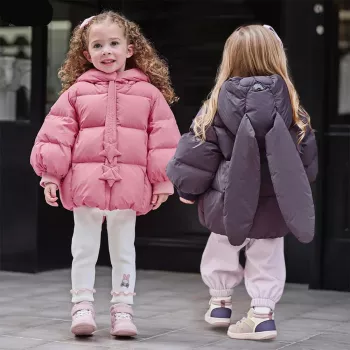
For families dealing with slushy sidewalks, snowy recess, and unpredictable winter forecasts, the Girls Waterproof Down Jacket with Detachable Hood is built for the days when warmth and water protection both matter. The removable hood adds flexibility for school rules and comfort preferences, while the down insulation is designed to keep kids cozy without making them feel stuffed into a stiff coat.
More In-Stock Finds for Cold-Weather Routines
- Large-Capacity Multi-Function Diaper Backpack for Everyday Parenting — handy for winter outings when you need spare gloves, snacks, and a dry change of clothes.
- Women’s Color Block V-Neck Slim Fit Yoga Crop Top — a comfortable option for indoor training or layering under a zip-up after cold-weather walks.
FAQ
Is down still warm if the jacket gets wet?
Down is much less effective when it’s saturated because it can clump and lose loft. A waterproof shell helps prevent soak-through, and prompt drying helps the down recover, but it’s still best not to leave any down jacket drenched for long.
When should the hood be worn versus removed?
Use the hood for wind, wet snow, rain, and very cold temperatures; remove it for indoor transitions, mild days, helmets, or when school guidelines prefer no hood. A good hood should feel secure without blocking side vision, and any adjusters should be snug but comfortable.
How should a winter jacket fit over layers?
It should fit over a sweater or fleece without pulling at the shoulders or elbows, and your child should be able to reach overhead and hug themselves comfortably. Avoid an overly tight fit that compresses insulation, and aim for coverage past the hips to reduce drafts.








Leave a comment