Mechanical Keypad Locks Explained: How They Work
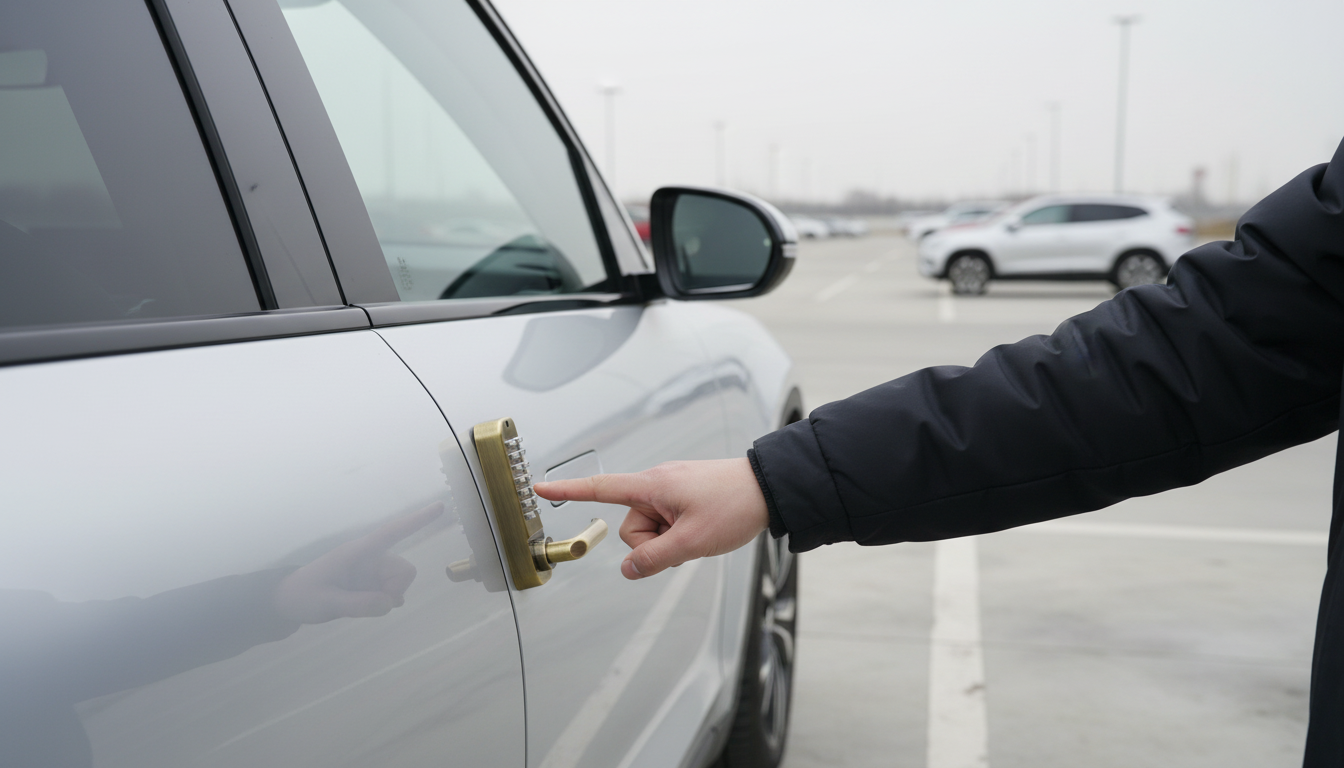
What is a mechanical keypad lock?
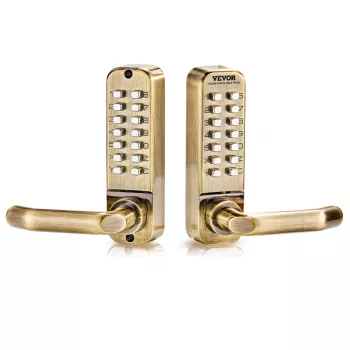
A mechanical keypad lock is a keyless door lock that opens when the correct code is entered on a physical push-button keypad—no batteries, wiring, Wi‑Fi, or electronics required. Instead of a motor or circuit board, it uses internal springs, levers, and tumblers to translate the button presses into mechanical movement that retracts the latch or bolt.
How it works
Most models let you press a sequence of numbered buttons (and sometimes a “C” or “Enter” key). When the right combination is entered, the lock’s internal mechanism aligns, allowing the handle to turn or the thumbturn to retract the bolt. If the wrong code is pressed, the mechanism won’t align, and the lock stays secured. Many designs also include a “clear” function to reset the keypad before entering the code.
Why people choose mechanical keypads
The biggest advantage is reliability. Because there’s no battery to die and no electronic components to fail, mechanical keypad locks are often chosen for heavy-use doors like workshops, rental properties, gates, storage rooms, and office entries. They’re also convenient for shared access—multiple people can use the same code without handing out physical keys.
Things to consider before buying
Code capacity and changeability vary by model. Some locks allow a wide range of combinations and easy code changes; others have a more limited set of possible codes. Mechanical keypad locks can also be louder than electronic keypads and may require more deliberate button presses. For exterior doors, confirm the lock is rated for outdoor use and pairs with the correct door thickness and backset.
For a deeper dive into types, features, and what to look for when shopping, visit the full guide here: https://winningcatchmarket.shop/what-is-a-mechanical-keypad-lock/.
FAQ
Can you change the code on a mechanical keypad lock?
Many mechanical keypad locks allow code changes, but the method depends on the design—some use a simple internal switch or set-screw process, while others require removing the lock from the door. Check whether the model supports easy rekeying of the combination and how many codes it can store (often one active code at a time).











Leave a comment